
Effective on-page SEO best practices are crucial for maximizing online visibility and attracting customers. Images, a vital component of modern web content, can significantly impact search rankings. However, optimizing them for both search engines and users presents a challenge. This article examines the strategies that go beyond basic alt tags, exploring how to leverage on-page SEO techniques to enhance image-driven content. We'll uncover the art of optimizing title tags, local SEO integration, Google My Business profiles, and product pages to ensure your website stands out in search results. By the end, you'll be equipped to elevate your image optimization game and drive better search visibility.
- Understanding Image Optimization for SEO
- Keyword Research: Targeting Visual Search
- Optimizing Image File Names and Alt Text
- Filling in the Gaps: Image Sitemaps and XML
- Mastering Image Formats for Better Ranking
- On-Page SEO Best Practices for Images
- User Experience: Speed, Quality, and Accessibility
- Analyzing Performance with Image-Focused Tools
- Staying Ahead: Trends and Future Tactics
Understanding Image Optimization for SEO

Understanding image optimization is a crucial component of on-page SEO best practices, especially for local businesses aiming to boost their search visibility. Images serve as visual anchors, providing context and enhancing user experience (UX). When optimized effectively, they can significantly impact your website's ranking in search engine results pages (SERPs). This aspect is often overlooked, yet it offers a straightforward, yet powerful, opportunity to gain an edge over competitors.
The process begins with choosing relevant, high-quality images that accurately represent your offerings. A local bakery should feature pictures of their delicious pastries and friendly staff. These visuals not only attract but also provide context to search engines, helping them understand the content of your pages. Next, implement alt tags, which are descriptive text alternatives for images. This practice is vital for accessibility and SEO. Alt tags, when optimized with relevant keywords, can improve click-through rates and search rankings. "
In the realm of emergency on-page optimization, image optimization can be a swift way to enhance your page's performance. However, it's not just about quick fixes; it's about implementing long-term, sustainable solutions. Niche on-page SEO strategies, tailored to specific industries, can further boost rankings. For e-commerce sites, product feed optimization is key. This involves structuring image data in a way that search engines can easily understand, leading to improved product visibility. Using structured data markup with images can help Google Shopping display your products more effectively. Licensed on-page SEO experts can provide valuable insights, ensuring your images are not only optimized but also in line with the latest industry standards.
Keyword Research: Targeting Visual Search

Optimizing images for search engines, particularly through keyword research, is a critical aspect of on-page SEO best practices, especially for businesses targeting local customers. With the rise of visual search, ensuring your images are optimized not only for human viewers but also for search algorithms is essential to enhance your online visibility. This involves a strategic approach to keyword selection and implementation within your image attributes.
For targeting visual search, keyword research tools are your allies. These tools help identify relevant keywords and phrases that users often search for when looking for visual content. If you run a flower shop, tools like Google Keyword Planner or SEMrush can reveal popular queries like "red roses near me" or "buy exotic flowers online." Incorporating these keywords into your image file names, alt tags, and captions can significantly improve your chances of appearing in image search results. Remember, the goal is to match the intent behind the search with the content of your images. Reliable on-page SEO services cost can vary, but investing in such research ensures your content is optimized for the right keywords, making it more cost-effective in the long run.
In niche industries, on-page SEO solutions require a more tailored approach. Each industry has unique visual content types and search patterns. For e-commerce sites, product page optimization is key. Including keywords in product titles and descriptions, while also ensuring high-quality, visually appealing images, can attract both human shoppers and search engines. Consider the example of a clothing brand; using keywords like "vintage style dresses" or "men's casual wear" in image alt text can make your products more discoverable. Advanced techniques, such as Product Feed Optimization and Google Shopping, further enhance visual SEO by providing detailed product information, making your offerings more attractive to search algorithms.
The process of maximizing image optimization goes beyond initial setup. Regularly updating and refining your on-page SEO best practices is crucial. This includes staying current with Google's guidelines, as they frequently update their algorithms. Google's PageSpeed Insights tool can help you optimize page load times, which are a significant factor in both user experience and search rankings. By continuously refining your on-page SEO strategies, including image optimization, you ensure your website remains competitive and relevant in the changing digital landscape.
Optimizing Image File Names and Alt Text

Optimizing images is a crucial part of any on-page SEO best practices, especially for local SEO optimization. Image file names and alternative text (alt text) play a significant role in how search engines, particularly Google, understand and index your content. These elements provide context and accessibility, enhancing your website's visibility and performance in search results.
For file names, avoid generic or vague options. Instead, use descriptive and relevant keywords that accurately represent the image. For a local bakery's image, a file name like "fresh-bakery-cakes-local" conveys the content more effectively than "image123.jpg." This simple change can improve accessibility for users and search engine crawlers, making it easier to identify and rank your pages for relevant queries. The same principle applies to alt text. While many websites simply use generic descriptions like "image of a cake," a well-optimized version would describe the specific type of cake and its relation to the business, e.g., "A moist chocolate cake, a specialty of our local bakery." This strategy not only aids SEO but also enhances the user experience by providing a clearer picture of the content on the page.
Consider the technical aspects of image optimization. Compressing images reduces their file size, improving page loading speeds, which is a key factor in the Google PageSpeed Insights' evaluation of your website's performance. Balancing image quality and file size is an art, but tools like Image Optimization in Google Search Console can help. For e-commerce sites, product feed optimization can further enhance visibility by ensuring each product image is optimized with the right file name, alt text, and dimensions, making it easier for search engines to understand and display your products in rich snippets. Incorporating these niche on-page SEO solutions into your local SEO optimization checklist will result in better search visibility and higher rankings.
Filling in the Gaps: Image Sitemaps and XML

In the realm of on-page SEO best practices, image optimization is a crucial but often overlooked element. Filling in the gaps with effective image sitemaps and XML can significantly enhance your search visibility, especially for local businesses. These niche on-page SEO solutions are particularly vital for driving targeted traffic and boosting online presence in a competitive market.
Let's start with image sitemaps. Similar to traditional sitemaps, an image sitemap provides a detailed index of your website's images, allowing search engines to efficiently crawl and index them. This is particularly beneficial for local SEO as it ensures that search engines can access and understand all the images relevant to your business, such as product shots, service demonstrations, and location-specific visuals. A bakery's image sitemap could include photos of their signature pastries, the bakery's exterior, and happy customers enjoying their treats. By organizing and providing these visual assets in a sitemap, you make it easier for search engines to associate your content with relevant local keywords, like "bakery near me."
Now, let's discuss XML (eXtensible Markup Language) and its role in image optimization. XML is a markup language used to create and structure data, and it plays a significant part in how search engines interpret and display your content. For images, XML helps search engines understand the context and importance of each visual element on your pages. For a local business, this means ensuring that the XML tags accurately reflect the content and location-specific aspects of your images. The <title> tag could describe the product, and the <description> tag could include relevant local keywords. A well-structured XML file enhances the overall user experience and makes it easier for near me on-page SEO experts to optimize your content, resulting in a more comprehensive local SEO optimization checklist.
By implementing these advanced on-page SEO techniques, you can fill in the gaps in your local SEO strategy. Image sitemaps and XML are powerful tools that, when used correctly, can improve your search rankings and drive more qualified traffic to your business. Remember, consistent optimization and staying updated with best practices are key to maximizing your online visibility.
Mastering Image Formats for Better Ranking

Mastering image formats is a crucial yet often overlooked aspect of on-page SEO best practices, especially for businesses aiming to rank highly in their niche. The right image format can significantly impact your website's visibility and user experience. Here, we examine effective strategies to optimize images for search engines while enhancing the overall user journey.
For on-page SEO, choosing the right image format goes beyond aesthetics. A licensed on-page SEO expert might recommend using WebP format for its superior compression rates, which lead to faster page load times. This is particularly beneficial for e-commerce sites with numerous product images. Optimizing images for mobile devices is essential, as Google prioritizes mobile-friendly websites in its rankings. Therefore, ensuring your images are responsive and optimized for various screen sizes is a vital step in any comprehensive SEO strategy.
To implement the best on-page SEO strategies, start by alt-tagging images with relevant keywords. This practice not only aids screen readers but also helps search engines understand the content of your images. A local bakery's image of a freshly baked loaf could be described as "crusty sourdough bread, artisanal bakery, fresh baked goods." Furthermore, compressing images without losing quality ensures they load quickly, keeping visitors engaged and reducing bounce rates. Remember, each image should serve a purpose, enhancing the user experience and providing valuable context for search engines to crawl and index your site effectively.
On-Page SEO Best Practices for Images
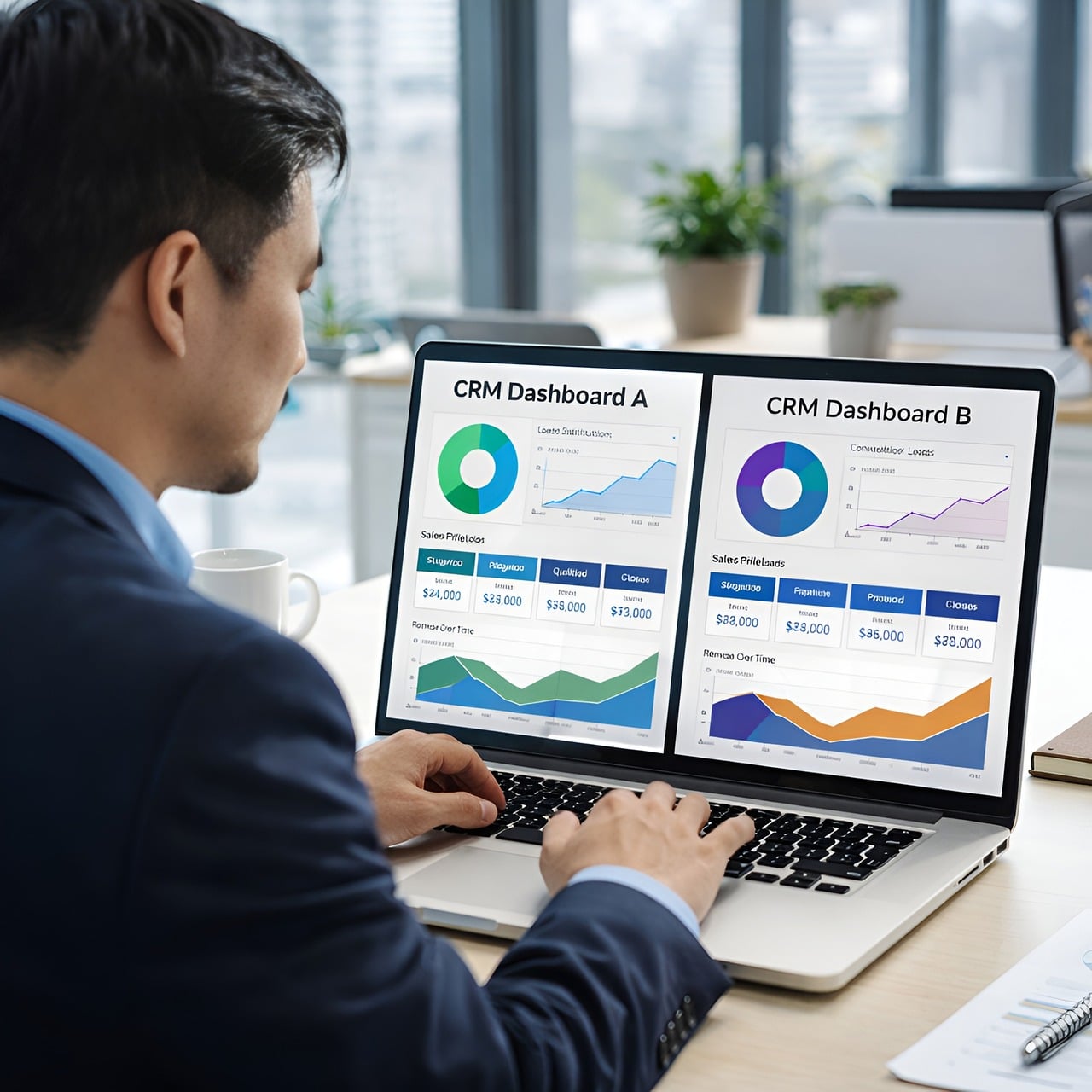
Maximizing image optimization is a crucial aspect of on-page SEO that often gets overlooked, yet it can significantly improve search visibility, especially for local businesses. For on-page SEO best practices for images, there are several strategies that can drive results.
Optimizing images for local SEO involves ensuring that every image on your website is properly tagged with descriptive file names, alt text, and title tags. These elements help search engines understand the content of your images and can improve your local search rankings. Consider a local bakery website; each product image could have a file name like "croissant-baking-process.jpg" and an alt text that describes the image, such as "A step-by-step guide to baking croissants." This practice not only enhances accessibility for visually impaired users but also provides valuable context for search engines.
To these foundational techniques, implementing best on-page SEO strategies for images includes optimizing page speed. Slow-loading pages can lead to higher bounce rates and negatively impact your search rankings. Utilize tools like Google PageSpeed Insights to analyze and improve page speed, ensuring that your website, and the images on it, load quickly. For e-commerce sites, optimizing product feed data can also be highly effective. This involves ensuring that your product data is accurate, consistent, and includes relevant keywords to improve product discoverability in search results.
Completing a same-day on-page content optimization checklist can be a major improvement for local businesses. This checklist should include verifying that all images are optimized for size, quality, and relevance, as well as updating meta descriptions and title tags to be both engaging and keyword-rich. This ensures that when a potential customer searches for a plumber in your area, your business appears high in the search results, attracting more traffic and ultimately leading to more business.
User Experience: Speed, Quality, and Accessibility

In the realm of on-page SEO best practices, optimizing images goes beyond mere aesthetics. It's a critical component that significantly influences user experience (UX), and ultimately, search visibility. A well-optimized image not only enhances page load speed but also communicates key information to both search engines and users. The challenge lies in balancing quality, speed, and accessibility to ensure your images serve their purpose effectively.
Consider these factors: Page Speed. Images account for a significant portion of a webpage's load time. Large, uncompressed images can slow down your site, leading to higher bounce rates and lower search rankings. Aim for a balance between image quality and file size. Tools like Google PageSpeed Insights can help identify large images that need compression without sacrificing too much quality. Image Quality and Accessibility. Providing alternative text (alt text) for images is essential for both SEO and UX. Screen readers rely on alt text to describe images to visually impaired users. It also helps search engines understand the content of the image, improving the likelihood of it appearing in relevant search results. Use descriptive and keyword-rich alt text whenever possible. " This not only improves accessibility but also incorporates a relevant keyword.
Beyond these foundational aspects, consider advanced strategies like lazy loading for large image galleries or product feeds. This technique loads images only when they're within the user's viewport, further enhancing page speed. using reliable on-page SEO services can be invaluable, especially for businesses that lack in-house expertise. Experienced specialists can implement best practices, ensuring your images not only look great but also work hard for your SEO efforts. While the cost of such services may be 1-3 times higher than do-it-yourself solutions, the long-term benefits in terms of improved rankings and user engagement make it a reliable investment.
Analyzing Performance with Image-Focused Tools

Analyzing an image's performance is a crucial step in enhancing on-page SEO best practices, especially for visual-centric content. Tools designed to scrutinize images offer valuable insights into how search engines perceive and interact with your media. Top-rated on-page SEO audits include image-focused modules that examine file size, format, alt text, and placement-all critical factors influencing visibility. A study by an industry authority found that optimized images can significantly boost page load times, thereby improving user experience and search engine rankings.
One effective strategy is to leverage best on-page SEO tools that provide detailed image analytics. These tools often reveal opportunities for improvement, such as suggesting more descriptive alt tags or recommending image compression techniques. If a product page features high-resolution images, compressing them for faster loading without sacrificing quality can be a powerful optimization tactic. Understanding which images drive engagement on a page can help prioritize content updates and refreshes, ensuring that visual elements are as effective as possible in conveying your key messages.
When implementing on-page SEO best practices, consider the cost-effectiveness of your chosen strategies. Affordable on-page SEO services, including image optimization, can provide significant returns on investment. Many small businesses and startups find that allocating resources to improve image performance yields tangible results in terms of increased organic traffic and conversions. By integrating these practices into your content strategy, you can elevate the overall user experience, making your website more competitive in the search engine results.
Staying Ahead: Trends and Future Tactics

As search algorithms evolve, staying ahead of the curve is crucial for any business aiming for top search visibility. In the realm of on-page SEO best practices, trends are constantly shifting, demanding a dynamic approach. A top-rated on-page SEO audit should not be a one-time event but an ongoing process that reflects these changes. Image optimization, a cornerstone of local SEO strategies, has seen significant advancements.
One of the most impactful future tactics involves leveraging AI-driven image recognition tools. These technologies can automatically tag and describe images, enhancing accessibility and searchability. However, this is not just about technology; it's about staying relevant. With the rise of voice search, optimizing images for visual and voice queries must go hand in hand. For same-day on-page content optimization, a structured, data-driven approach is key. This includes using semantic search techniques to ensure your content aligns with user intent and the latest algorithm updates. An experienced on-page optimization team can provide valuable insights into these trends, tailoring strategies to specific business needs.
In e-commerce, product feed optimization is becoming increasingly vital. By ensuring product data is accurate, structured, and aligned with search trends, businesses can significantly improve their visibility. Implementing structured data markup for products can enhance search result click-through rates. Optimizing URL structures to be descriptive, keyword-rich, and user-friendly is an enduring on-page SEO best practice. This not only aids search engines in crawling and indexing but also boosts user experience, which is a crucial factor in determining a website's success.
Frequently Asked Questions About Maximizing Image Optimization for Better Search Visibility
What is image optimization, and why is it important for search visibility? Image optimization is the process of enhancing digital images to improve their loading speed, quality, and search engine visibility. It's crucial because search engines, like Google, crawl and index image content, and optimizing images can increase their discoverability. Faster loading images also enhance user experience, which is a ranking factor.
How does image optimization affect SEO? Optimizing images directly impacts SEO by improving page load speed, which is a critical ranking signal. It also helps search engines understand your images through alt text and file names, making your content more searchable. Well-optimized images can drive more traffic and improve your website's overall visibility in search results.
What are the key elements of effective image optimization? Key elements include:
- File Format: Using modern formats like JPEG, PNG, or WebP.
- Image Size: Compressing images to fit the display without loss of quality.
- Alt Text: Adding descriptive text for visually impaired users and search engines.
- File Names: Using relevant, descriptive filenames and including keywords when appropriate.
- Loading Speed: Minimizing file sizes to reduce page load times.
What tools can help with image optimization? Several tools can streamline the process:
- Image Compression Plugins: These plugins optimize images automatically on upload.
- WebP Converter Tools: For batch conversion to the WebP format, which offers excellent compression.
- SEO-focused Image Editors: Some editors have built-in optimization tools and suggest improvements.
- Google's Image Search: Use it to check how your images appear in search results and identify potential issues.
Are there any best practices for alt text? Yes, always use descriptive and unique alt text. It should accurately represent the image and include relevant keywords when appropriate. Alt text helps search engines understand the content of images and is crucial for accessibility. Aim for 125 characters or less for readability and SEO.
How often should I optimize my images? Optimize images whenever you update or add content to your website. For new images, optimization should be a standard part of your content creation process. Regularly review and update existing images to maintain optimal performance and stay ahead of changes in search engine algorithms.
To maximize image optimization for better search visibility, it's crucial to integrate these key on-page SEO best practices. From keyword research and strategic file naming to optimizing user experience and analyzing performance, each step is vital for boosting rankings. Targeting visual search with relevant keywords and well-structured alt text ensures your images are found by the right audience. Utilizing image sitemaps and XML, along with the right formats, fills in critical gaps for search engines. On-page optimization should also prioritize speed, quality, and accessibility for a seamless user experience. By staying ahead of trends and implementing these tactical moves, businesses can elevate their search visibility and outpace the competition.
Image Optimization for On-Page SEO Best Practices:
Optimize images for search engines through keyword research, focusing on local SEO and visual content types. Implement descriptive file names, alt tags, and captions with relevant keywords. For e-commerce, product page optimization includes keyword-rich titles, descriptions, and structured data markup. Regularly update and refine on-page SEO strategies, considering page speed, image quality, and accessibility. Leverage tools for image analysis, AI-driven image recognition, and semantic search to stay ahead of trends. Experienced on-page SEO services can provide tailored, cost-effective solutions for long-term success.